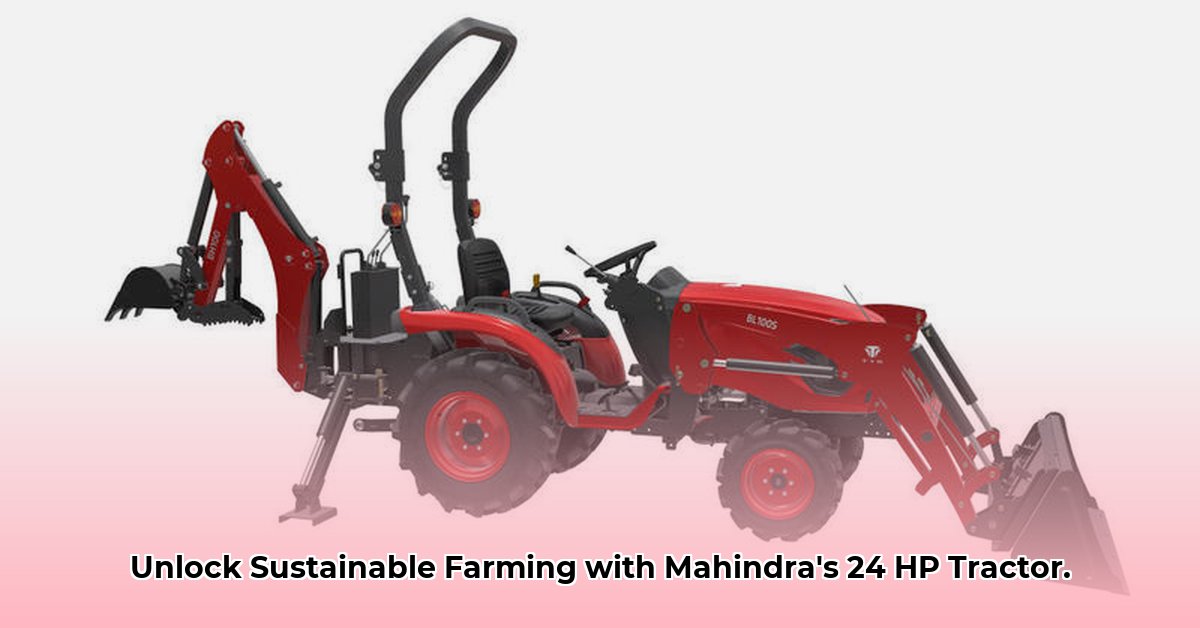
Choosing the right tractor is a pivotal decision for any farmer, particularly those prioritizing sustainable agriculture. This guide provides a practical approach to assessing the Mahindra 24 HP tractor, comparing it to alternatives, and integrating it into environmentally conscious farming practices. For more Mahindra tractor engine details, see this page.
Understanding Your Farming Needs: A Pre-Purchase Assessment
Before exploring specific tractor models, thoroughly analyze your farming operation. Consider these critical factors:
- Farm size: The Mahindra 24 HP is ideal for smaller to medium-sized farms. Larger operations may require more powerful machinery.
- Crop types: Different crops demand varying tractor capabilities. For example, delicate fruit orchards require maneuverability, while large-scale grain farming demands high power and efficiency.
- Soil conditions: Soil type impacts the choice of tires and the tractor's overall suitability. Heavy clay soils, for instance, necessitate lower ground pressure tires to minimize compaction.
- Budget: Set a realistic budget encompassing the initial purchase price, financing costs, maintenance, fuel, and potential repairs.
Ignoring these factors can lead to an ill-suited tractor, impacting efficiency and profitability. Is your current workflow hindering your growth? A well-matched tractor can be a game-changer.
The Mahindra 24 HP Tractor: A Closer Look
The Mahindra 24 HP tractor offers a compelling combination of power and maneuverability. Its compact design is advantageous for smaller farms and navigating obstacles. However, a comprehensive assessment requires evaluating several key aspects:
Fuel Efficiency and Environmental Impact
While specific fuel consumption data for the Mahindra 24 HP is currently limited, fuel efficiency is paramount for sustainable farming. Lower fuel consumption translates to reduced operating costs and a smaller carbon footprint. It's crucial to seek out independent reviews and compare fuel economy with competing models. Are reduced emissions a priority? Investigate the tractor’s emissions profile; newer models frequently incorporate emission-reducing technologies.
Maintenance and Longevity
Regular maintenance is essential for maximizing the lifespan and operational efficiency of any tractor. Before purchasing, investigate the availability of parts and authorized service centers in your region. Proactive maintenance not only extends the tractor's life but also prevents costly downtime. What is the recommended maintenance schedule, and what are the typical repair costs?
Sustainable Farming Integration
The Mahindra 24 HP can contribute to sustainable farming through several avenues:
- Reduced Fuel Consumption (Potential): As noted above, fuel efficiency directly impacts sustainability.
- Minimizing Soil Compaction: Proper tire selection is crucial to minimize soil compaction, preserving soil health and reducing the need for excessive tillage.
- Improved Efficiency: Tractors enhance operational efficiency, reducing labor and time requirements for various tasks.
Beyond Horsepower: Key Considerations
Beyond the horsepower rating, several factors significantly influence the overall value and suitability of a tractor:
- Financing Options: Explore different financing plans to determine the most cost-effective option for your budget.
- Resale Value: Research the typical resale value of Mahindra tractors in your area to assess the long-term financial implications.
- Dealer Support: Reliable dealer support is essential for prompt parts availability and effective service.
Remember, comparing only horsepower is insufficient. A thorough analysis of these factors is critical for informed decision-making. Have you considered the long-term costs involved with your tractor choice? Careful planning minimizes financial risks.
Making an Informed Decision: A Step-by-Step Guide
- Needs Assessment: Revisit the initial assessment of your farm's requirements (farm size, crop type, budget, etc.).
- Competitive Research: Thoroughly compare the Mahindra 24 HP with competing models, considering specifications, fuel efficiency (if available), and long-term costs.
- Dealer Consultation: Visit multiple dealers to discuss financing options, maintenance plans, and readily available parts.
- Farmer Feedback: Connect with farmers in your area who utilize Mahindra tractors or similar models to gain firsthand insights and experiences.
- Test Drive: If possible, request a test drive to assess the tractor's maneuverability and handling characteristics.
Choosing the right tractor is a substantial investment. A methodical approach ensures that your decision aligns with your farming goals and budget. Have you explored all available financing options to minimize upfront costs?
The Call for Transparency in Agricultural Machinery
The agricultural machinery industry needs to enhance transparency by offering detailed, readily accessible data on fuel efficiency, maintenance costs, and environmental performance for all models. This increased transparency would empower farmers to make informed, sustainable decisions that benefit both their operations and the environment. Wouldn't more readily available data help you make better choices?